

It is expected that a large fraction of the global energy demand in the next few decades will still be supplied by hydrocarbon fuels. Renewable energy currently only accounts for a small fraction of the world energy consumption. Hydrocarbon fuels generate large amounts of CO2 upon burning. The oil and gas industry, has to apply solutions that meet the increasing energy demand more sustainably and cleanly.
Oil production in itself consumes a significant amount of energy. The process becomes more inefficient as reservoirs are depleted of oil that can be recovered using water flooding (secondary production methods). The injection of polymers into oil reservoirs is one method that reduces the overall energy requirements for extracting oil. Comparing the average energy invested to produce one barrel of oil from polymer flooding to water flooding, it is found that energy efficiency increases when polymer flooding is employed. This is linked to smaller water circulation loads when polymer flooding is used. Thus, chemical EOR is one method that decreases the CO2 emission upon extracting oil.
Accurate selection of polymer type and preparation method is critical when evaluating the effectiveness of the polymer. ProProcess offer independent polymer make-down test work facilities with the client’s selected polymer and with their water specification. Ideally, high polymer concentrations are targeted in the mother solutions, as this has a direct impact on the polymer make-down unit footprint. Higher concentrations lead to smaller make-down facilities. With this information on hand, ProProcess can tailor a specific pilot plant, demonstration plant or commercial unit to cater to your exact needs.
ProProcess has successfully produced polymer mother solutions at concentrations of 2wt%, whilst passing the Millipore filtration ratio (MPFR) requirements, utilising our custom-designed EOR Dynamic Wetting Heads. Our unique Dynamic Wetting Head has significant uptime and has proven its effectiveness in the field. Polymer wetting in EOR applications needs to be conducted in an inert atmosphere to avoid polymer degradation in the presence of oxygen. Wetting units are therefore enclosed. In most wetting heads small moist polymer particulates result in polymer deposition on the metal surfaces within the units. These particulates accumulate and form hard crystals. When a significant build-up of crystals has occurred they break off, landing in the rotating mechanism of the wetting units, thus blocking or damaging the teeth of the rotating mechanisms. The deposits can furthermore form obstructions in the feed and vent pipes of the wetting units, resulting in stoppages and plant downtime. Our custom-designed dynamic wetting head has addressed these common operational difficulties and our prototype unit has been operational for >1 year, without any reported operational interruptions.
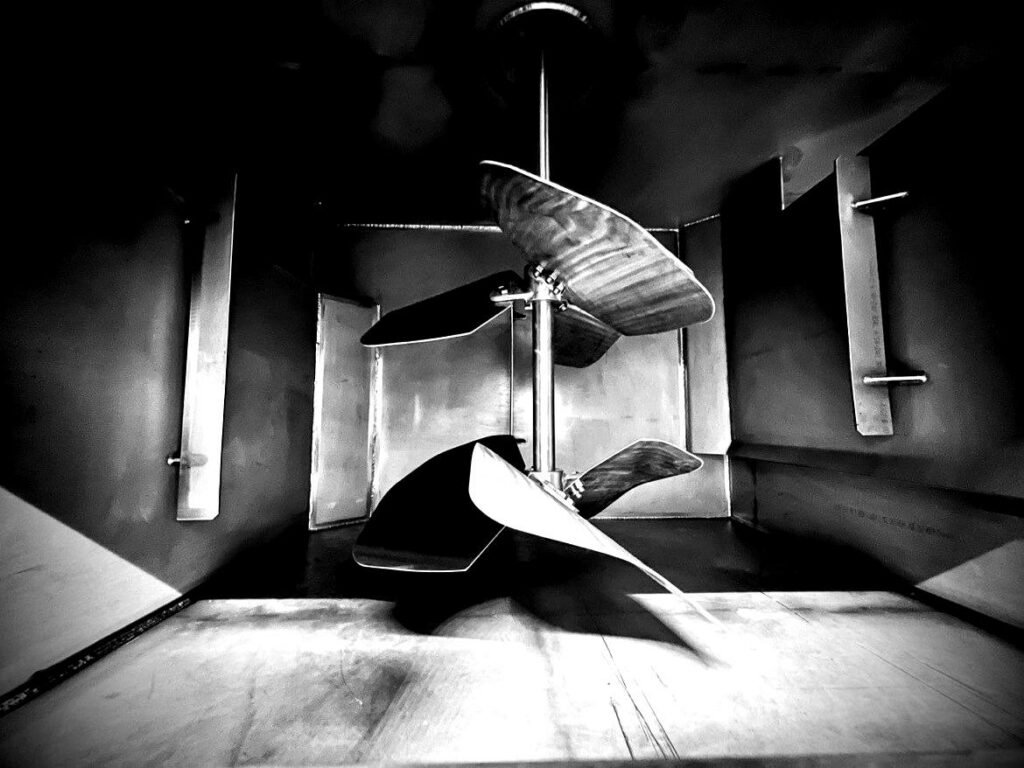

ProProcess has developed a standard range of polymer make-down units, suitable to be used as pilot plants, demonstration plants, and even production plants. Each enhanced oil recovery field is unique, to this end the ProProcess Engineers have identified the Core of the make-down units and the bespoke aspects of the plant. The Core encompasses one of our powder off-loading & storage solutions (client dependent); the wetting unit; hydration system; transfer and mother solution filtration (field specific) process; associated EOR utility requirements and their respective MCCs. The bespoke designs include the injection pumps, water treatment facilities, curlers, laboratory, and their respective MCCs.
Utilising modules from the standard range reduces project time-lines, as the design time can be cut down in the overall project schedule. Furthermore, selecting components from the standard range provides additional peace-of-mind to an end-user as this module design is already operational. The following standard sizes are available from ProProcess for selection:


We have given special attention to maintenance and operational access within the standard modules. The layout in our containerised solutions is optimised to allow maintenance and operation crews sufficient space to execute their duties within the modular plants.
Our modular polymer make-down units have been designed for extreme weather conditions, spanning from arctic to desert conditions, and everything in-between. We fit our units with suitable HVac systems for extremely cold and hot climates, and dehumidifiers for humid conditions. Applying computational fluid dynamics (CFD) modelling on our pilot plants and demonstration plants allows us to identify and eliminate any areas of concern during the design phase of the plant.

We apply modular construction methodology on our EOR facilities. The complete plant is assembled in our dedicated commissioning bay and tested prior to shipping the disassembled and packaged units to site. Once on-site the units are quickly placed and re-assembled. The advantages of applying this construction method include the following:
- Speed of construction: projects can be delivered 30-50% times quicker than before.
- Minimal client impact: most construction activities are carried out off-site. Modular construction removes up to 80% of activities on site.
- Safer construction: The construction process is easier to control, which enjoys the benefits of bringing higher safety achievements.
- Quality control: Fabrication, assembly and testing are completed in a controlled environment.
- Sustainability: the manufacturing process generates less material waste, reduces energy consumption and in turn reduces a company’s carbon footprint.
ProProcess assists our cEOR clients with their complete project journey. Our FEED team will define the plant parameters on projects where new and novel technology or chemicals are being tested. These parameters are then used to provide a basic engineering package for the associated pilot plant or demonstration plant.
Once the concept is defined, we execute the construction using an engineer, procure and services (EPS) project delivery approach. Our clients can expect ProProcess to supply a complete EOR polymer make-down plant. All detailed engineering and supply of the plant falls within ProProcess’ scope, while site services are sourced by the client. This contracting model minimises interfaces, providing redued process and schedule risk. This model works well as we know our equipment, while our Clients are typically more knowledgeable about local installation contractors in their own region.